


Blog
Feeding Every Guest: Handling Dietary Restrictions and Allergies at Your Wedding
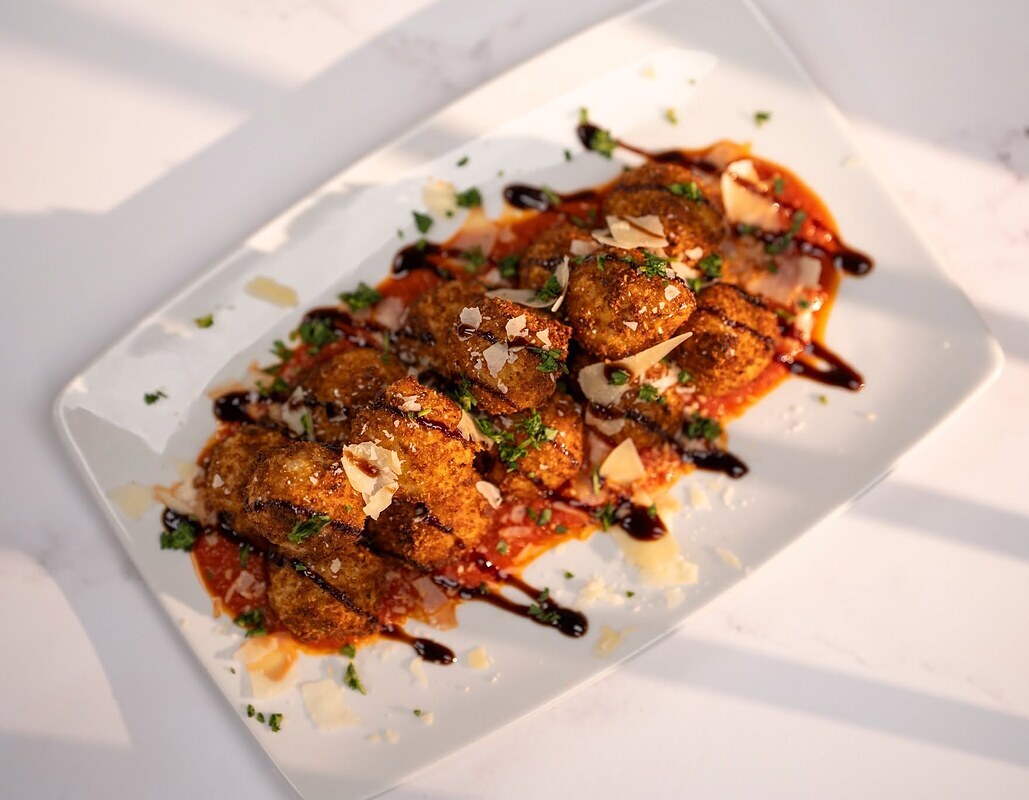
Twenty years ago, dietary restrictions at a wedding meant a vegetarian plate and a shrug. Now a guest list of 150 routinely includes celiac disease, serious nut allergies, vegans, dairy intolerance, diabetic guests, and several people eating according to religious practice. Handled well, nobody notices. Handled badly, someone spends your reception hungry or in an emergency room.
Here is how to get it right without building four separate menus.
Have specific needs on your list? Call (585) 352-3300 or contact us and we will plan around them.
Collect the Information Properly
The single biggest failure point is the question you ask on the RSVP. "Any dietary restrictions?" gets you a blank or a vague answer.
Ask better:
- Do you have a food allergy? If so, which, and how severe.
- Do you follow a vegetarian, vegan, or other specific diet?
- Is there anything medical we should know about your meal?
Separate allergy from preference, because they are not the same problem. A guest who prefers not to eat pork needs a different option. A guest with anaphylactic nut allergy needs a kitchen protocol.
Preference Versus Allergy
A preference can be solved on the menu. An allergy has to be solved in the kitchen, through preparation order, separate surfaces and utensils, and staff who know which plate goes to which seat.
This is a genuine advantage of an in-house kitchen. Chef's Catering works in this building, so there is no handoff between a venue and an outside caterer where information gets lost. The people cooking the allergy plate are the people who took the note.
"Dietary needs are not a last-minute scramble. We plan for them from the first conversation, so every person at your table feels welcome and well fed."
Design the Menu So Fewer Exceptions Are Needed
The elegant solution is not more special plates, it is a menu where most guests can already eat most of it.
- Keep sauces on the side where it works, which quietly solves dairy and gluten issues.
- Make one side dish genuinely substantial and naturally vegan, so a plant-based guest has real food rather than steamed vegetables.
- Label a buffet clearly. Small cards noting gluten free, vegetarian, or contains nuts let guests manage themselves.
- Avoid hidden allergens in unexpected places, like nuts in a salad or dairy in a dressing.
Look through the sample menus and we will adapt from there rather than handing you a fixed package.
Send us your list and we will map it. Start here.
Service Is Where It Succeeds or Fails
A perfectly prepared allergy-safe plate is worthless if it reaches the wrong table. Ask any venue how they track it. The answer should involve a seating chart, a marked place setting, and servers who are briefed before the doors open.
For plated service, that is manageable. For buffets, the safest approach with a severe allergy is a plated exception carried out separately, which we do routinely.
Children and Lighter Eaters
Not a restriction, but the same category of planning. A children's option keeps families comfortable and cuts waste, and older guests often prefer a smaller portion. Both are easy to plan in advance and awkward to improvise.
Tell Us Early, Not the Week Of
Everything above works when we know in advance. Dietary information collected at RSVP and passed along at the final headcount meeting gives the kitchen time to source, prepare, and brief. The same information delivered two days out limits what anyone can do well.
More on our weddings and receptions page.
Get in touch or call (585) 352-3300.
‹ Back
Recent Posts
-

Halloween and Fall Theme Parties Near Rochester, NY
October 15, 2026
-
-

-
-
Planning a Fall Corporate Kickoff or Q4 Sales Event in Rochester, NY
September 24, 2026




Website by